
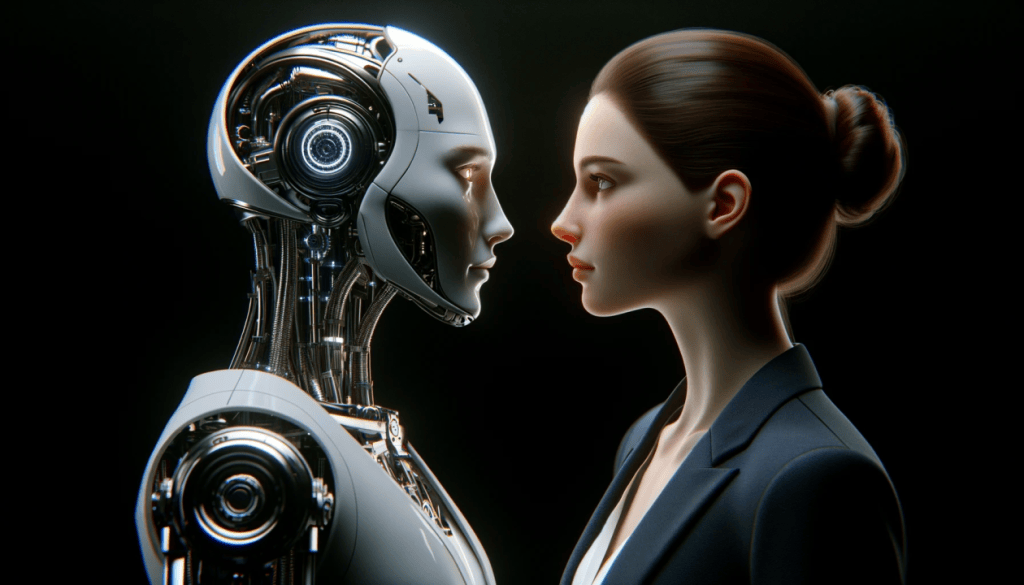
It’s a pivotal time in our society; we are at the intersection where humanity is now required to interact with Artificial Intelligence (AI). Sometimes, we know we are interacting with a human; other times, we would have no idea if we were conversing with a human or a machine. It’s an unnerving thought. How can we use AI to improve our human interactions? I’ve witnessed AI’s transformative power over the last ten years. My perspective comes from 25 years of experience commercializing and productizing technology, clean tech, and building therapeutics using RWE data, analytics, and machine learning. This blog article offers a perspective on how AI can enhance human communication and bring us together in previously unimaginable ways. Let’s explore the impact of AI on human interaction, focusing on communication, collaboration, and the challenges that come with it.
Enhancing Communication: The AI Advantage
AI’s capability to process and analyze vast amounts of data has revolutionized communication. For instance, natural language processing (NLP) technologies enable AI systems to understand, interpret, and even generate human language in real time. This breakthrough is not just about making machines understand us better; it’s about creating more intuitive and accessible interfaces for everyone.
Consider the example of AI-powered virtual assistants. These systems can understand complex queries and provide personalized responses, making digital interactions more human-like. For people with disabilities, AI-driven tools offer voice-to-text features and personalized communication aids, breaking down barriers and fostering inclusivity.
Fostering Global Collaboration and Innovation
AI’s impact on collaboration is profound. In my work with IoT and cloud computing projects, AI tools have enabled remote teams to work together seamlessly. Platforms utilizing AI for project management can predict project timelines, automate task allocation, and facilitate global idea sharing. This accelerates innovation and allows diverse perspectives to coalesce into ground-breaking solutions.
A prime example is the use of AI in predictive analytics for therapeutics. By analyzing patterns in large datasets, AI can predict potential outcomes, helping research teams streamline the drug development process and focus on the most promising therapies.
Navigating Challenges: Ethical Considerations and Beyond
The integration of AI into our lives brings its share of challenges. Losing human empathy and understanding in digital communications is a significant concern. We risk creating an emotional Development AI emphasizing emotional intelligence, which is crucial to address as we lean more on AI for interactions. Privacy, data security, and the ethical use of AI also remain paramount concerns.
Developing AI that emphasizes emotional intelligence is crucial to address these issues. AI systems designed to recognize and respond to human emotions can help preserve the warmth of human interaction. Moreover, implementing stringent data protection and privacy laws ensures that AI technologies respect user consent and confidentiality.
Five Key Takeaways for the Future
- Real-Time Language Processing: AI enhances communication by making digital interactions more intuitive and personalized, akin to human conversation.
- Global Collaboration: AI-driven tools remove geographical barriers, enabling seamless collaboration and innovation across borders.
- Personalization at Scale: AI offers personalized experiences through data analysis, tailoring interactions to individual preferences and needs.
- Ethical AI Use: Balancing AI advancement with ethical considerations ensures that technology enhances rather than detracts from human interaction.
- Harmonizing AI and Humanity: The future of AI in human interaction lies in thoughtful integration, where technology augments the human experience without replacing the personal touch.
AI has remarkable potential to enhance human interaction, make communication more inclusive, facilitate global collaboration, and drive innovation. As we continue to chart this path, we must focus on leveraging AI responsibly, enriching human connection, and fostering a more understanding and committed world. The journey ahead is about technological advancement and shaping a future where AI and human interaction thrive in harmony.


Leave a comment